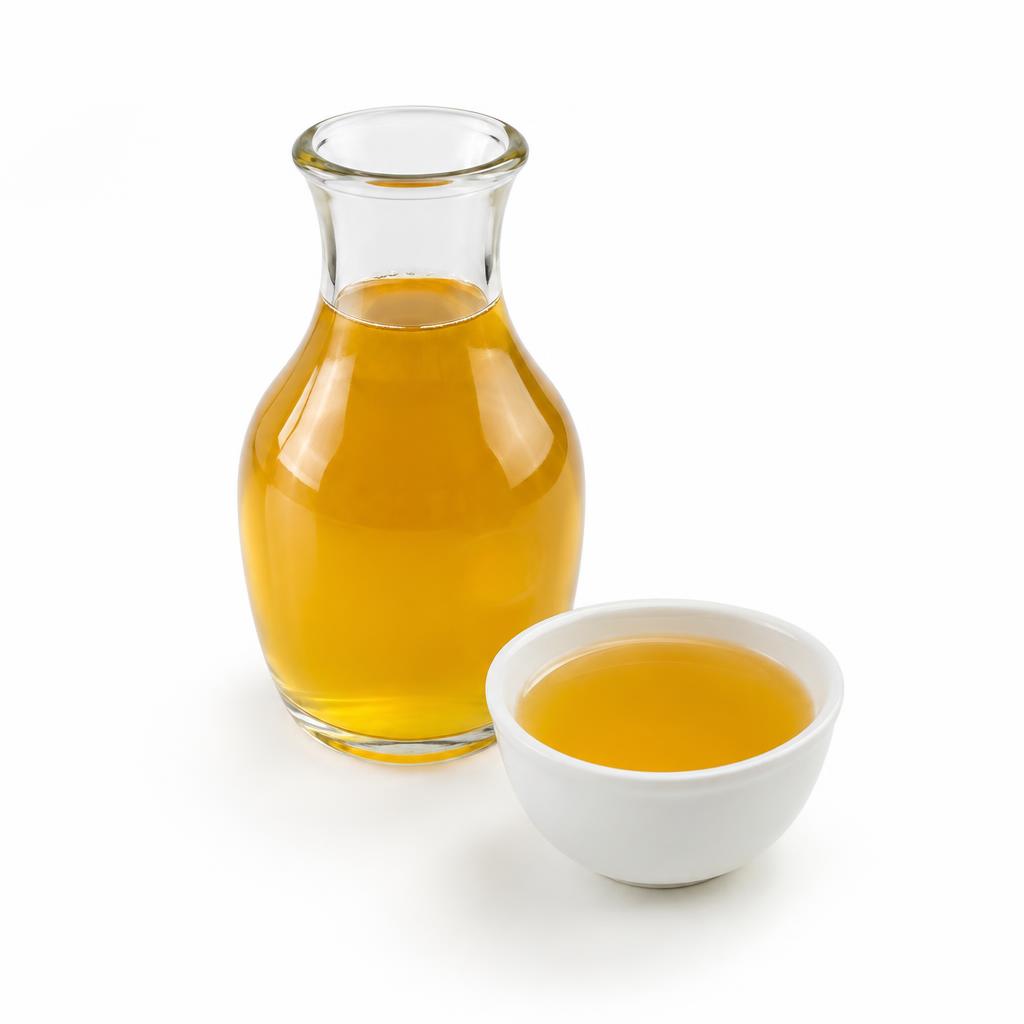
Bone broth and goat milk are popular ways to add variety to a dog’s bowl. They are optional additions, not nutritional necessities. Whether either suits your dog depends on the ingredients, the rest of the diet, and your dog’s tolerance.
Bone broth: flavor and moisture
Broth can add moisture and make a meal more appealing. Its nutrient and calorie content depend on the recipe, so it should not be treated as a standardized joint supplement or a complete meal. Claims that broth heals the gut or treats arthritis should not be confused with established veterinary treatment.
Choose a product intended for pets and read the entire ingredient list. Avoid broth containing onion, garlic, leeks, or chives, including powders: Allium ingredients can damage red blood cells in dogs. See Merck’s explanation of Allium toxicity. Do not offer the cooked bones left from making broth.
Goat milk: not automatically easier for every dog
Goat milk still contains lactose. Dogs that struggle to digest dairy may develop gas, loose stools, vomiting, or discomfort. Fermentation does not automatically make every product lactose-free. Check the label rather than assuming a particular milk will suit your dog. Read about milk intolerance in dogs.
Raw milk can contain pathogens; the AVMA includes raw milk among animal-source proteins it discourages feeding. Pasteurization reduces that risk. A product being sold for pets does not remove the need for careful storage and handling. Read the AVMA guidance.
Keep additions in perspective
- Introduce one new addition at a time so you can identify intolerance.
- Follow the package’s storage and feeding instructions.
- Account for the calories and avoid crowding out the complete meal.
- Discuss extras first if your dog has pancreatitis, food allergies, or a prescribed diet.
Persistent appetite loss, vomiting, or diarrhea needs veterinary attention. A tastier topper can encourage eating, but it cannot explain or treat the reason a dog has stopped eating.